January 18, 2026
Hard Truths: Foods That Actually Raise Testosterone For Lifters
Forget the 'test-boosters.' Learn the science of dietary cholesterol, zinc, and boron to optimize your natural hormonal profile for maximum hypertrophy.
The Testosterone Industrial Complex
Walk into any supplement store and you'll see shelves lined with 'testosterone boosters' promising the physique of a Greek god. But as serious lifters, we know that 99% of these are expensive urine. However, the foundational role of nutrition in hormonal health is undeniable. If you are chronically deficient in specific micronutrients or lipids, your natural production will tank.
To optimize your hormonal profile for hypertrophy, you need to move past the marketing and look at the actual nutritional precursors to steroidogenisis. Here is the no-nonsense breakdown of foods that actually move the needle.
1. Cholesterol: The Mother of All Steroids
Testosterone is synthesized from cholesterol. If you follow a chronically low-fat, low-cholesterol diet, you are starving your endocrine system of the raw materials it needs.
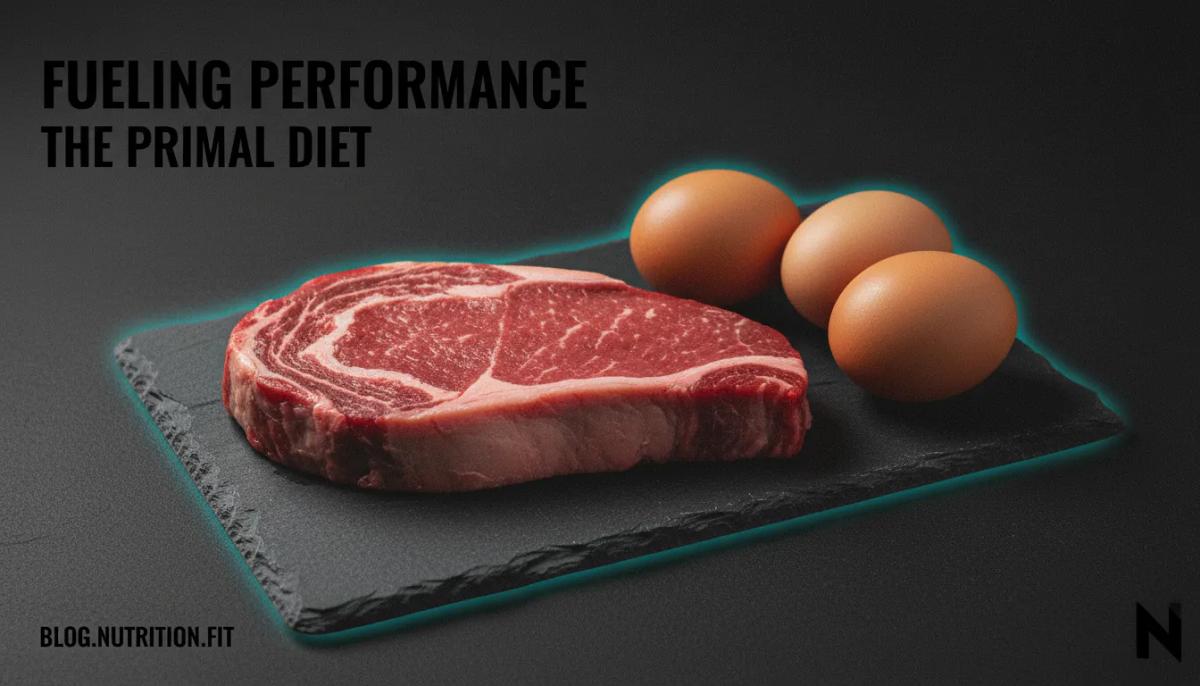
The Source: Whole Eggs. A 2021 study published in Nutrients found that consuming whole eggs resulted in greater increases in post-exercise muscle protein synthesis and a more favorable hormonal profile compared to egg whites alone. The egg yolk isn't just a fat source; it’s a nutrient-dense vessel of cholesterol and Vitamin D.
2. Zinc and the 'Mineral Gap'
Zinc is a critical co-factor in the production of luteinizing hormone (LH), the precursor to testosterone. While zinc won't turn a healthy man into a super-human, a deficiency (common in high-intensity athletes who lose minerals via sweat) will cause testosterone levels to plummet.
The Source: Oysters and Red Meat. Oysters contain more zinc per serving than any other food. If shellfish aren't in your macros, lean grass-fed beef is the next best choice, providing highly bioavailable zinc alongside creatine and carnitine.
3. Boron: The Free-Testosterone Liberator
Often overlooked, Boron is a trace mineral that has been shown in clinical trials to lower Sex Hormone Binding Globulin (SHBG). SHBG is a protein that binds to testosterone, making it 'inactive.' High total testosterone is useless if your 'Free' testosterone (the bioavailable part) is low.
The Source: Raisins and Walnuts. Research suggests that supplementing with or consuming high amounts of dietary Boron (approx 6-10mg) can significantly increase free testosterone levels within just one week.
4. Magnesium and Sleep Architecture
Magnesium plays a dual role: it helps increase the bioavailability of testosterone and is crucial for deep (slow-wave) sleep. Since the majority of your testosterone is produced while you sleep, any food that improves sleep quality is effectively a T-booster.
The Source: Dark Leafy Greens and Pumpkin Seeds. Pumpkin seeds (pepitas) are particularly dense in magnesium. A handful a day can help bridge the gap for lifters who are losing minerals through heavy training sessions.
5. Garlic and Antioxidant Protection
Garlic contains allicin, which has been shown in some animal models to lower cortisol levels. Because cortisol and testosterone have an inverse relationship (as one goes up, the other typically goes down), controlling systemic stress through diet creates a permissive environment for testosterone to flourish.
The GymNotes Takeaway
You cannot eat your way to 2000ng/dL naturally, but you can certainly eat your way to a deficiency that makes you feel like garbage. Focus on whole eggs, red meat, and micronutrient-dense seeds. Tracking your nutrition with the same precision as your RPE is the only way to ensure your 'internal engine' is actually fueled for the gains you're chasing. Leave the 'Test-Boosters' on the shelf; buy a steak instead.