April 8, 2026
Stop Chasing the Pump: The Science of Sarcoplasmic Swelling vs. Real Growth
New 2026 ACSM guidelines reveal that your massive gym pump might just be intracellular edema. Learn why high-volume 'junk reps' are masking a lack of real muscle growth.
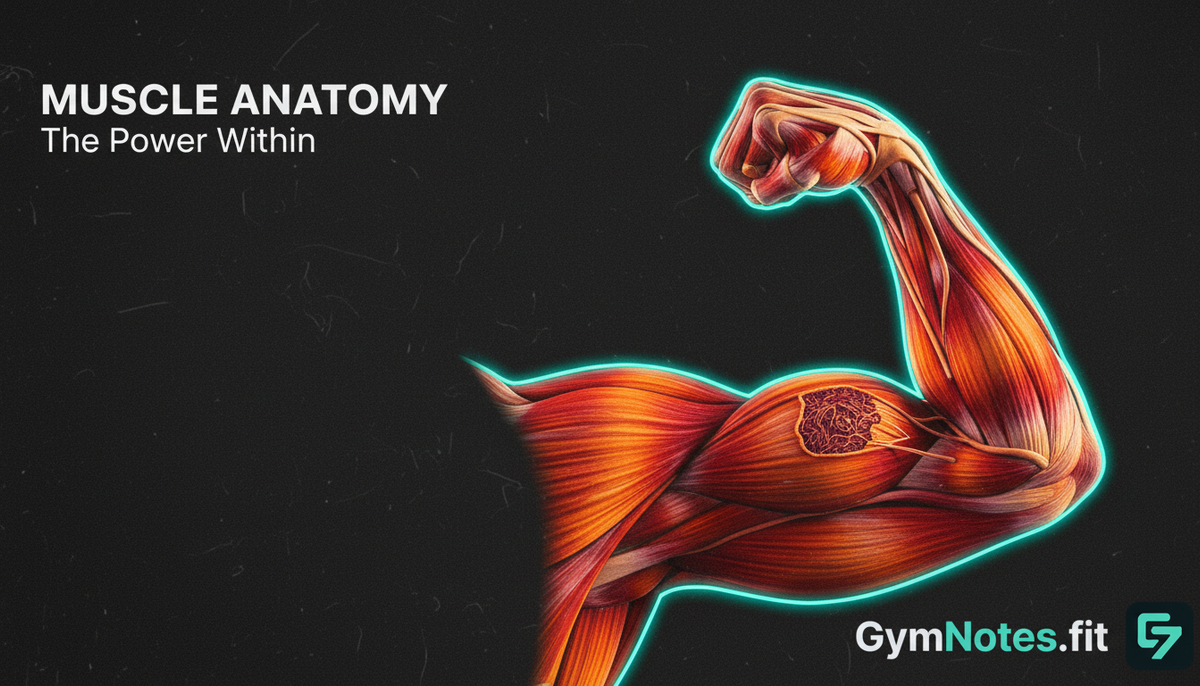
The "pump" is the ultimate gym vanity metric, but for years, we’ve been told it’s the precursor to actual muscle growth. However, a massive shift in sports science is calling into question the very foundation of high-volume training. In a groundbreaking update, the ACSM (2026) Position Stand, backed by an analysis of 137 systematic reviews, has drawn a sharp line between sarcoplasmic swelling and genuine myofibrillar hypertrophy.
The Illusion of Size
For decades, lifters have chased 20, 30, or even 40 sets per muscle group per week, believing that the resulting swelling—often referred to as "sarcoplasmic hypertrophy"—would eventually solidify into permanent muscle fiber. The new data suggests otherwise. While high volume does trigger a massive metabolic pump, the ACSM guidelines and recent analysis by Schoenfeld et al. (2025/2026) indicate that strength and functional size plateau dramatically after the ~10-set-per-week threshold.
Anything beyond this "hypertrophic ceiling" often results in what researchers call "Edema-Induced Growth Simulation." Essentially, your muscles aren’t getting bigger; they are just staying inflamed. This inflammation can mask a lack of actual contractile protein synthesis, leading many athletes to believe they are gaining muscle when they are actually just chronically bloated at a cellular level.
Why Failure Is Phased Out
The 2026 data also takes a sledgehammer to the "no pain, no gain" mantra. The ACSM update explicitly states that training to absolute failure is not only unnecessary but may be counter-productive by inducing "central fatigue" that prevents high-quality mechanical tension in subsequent sets. By staying 1-2 reps shy of failure, you maximize the recruitment of high-threshold motor units without the metabolic trash that causes temporary swelling over real growth.
⚡ The GymNotes.fit Takeaway
- Cap Your Volume: Limit high-intensity sets to 10-12 per muscle group per week; anything more is likely "filler" volume that increases recovery time without adding fiber.
- Stop Chasing the Burn: Metabolic stress (the pump) is a secondary signal. Focus on mechanical tension—progressive load or improved execution—over the feeling of "fullness."
- Recover Over Repping: If your muscles feel "swollen" for days after a workout rather than just tight or strong, you are likely experiencing intracellular edema rather than productive hypertrophy.