January 20, 2026
The Progressive Overload Lie: New Science Proves You Don’t Always Need More Weight
New research from the Journal of Applied Physiology suggests that chasing heavier weights isn't the only way to grow. Discover why 'Intensity Plateaus' might actually be your ticket to better gains.
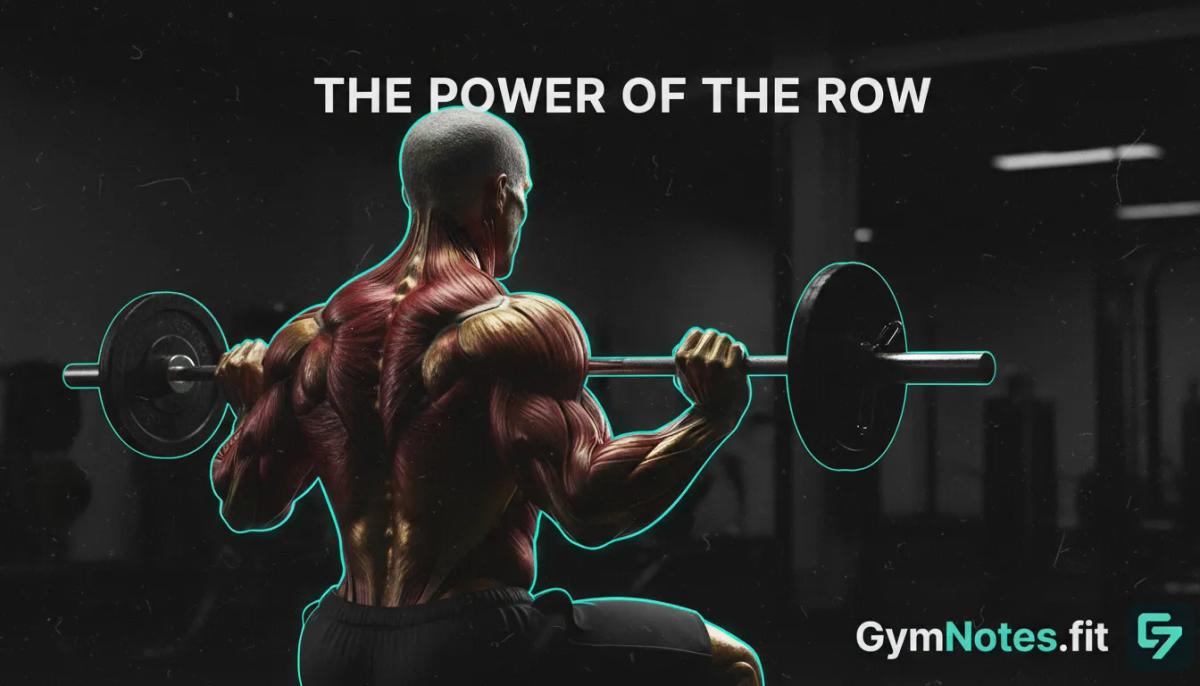
The era of "infinite overload" might be ending. For decades, the iron commandment of hypertrophy has been simple: if you aren't adding weight to the bar, you aren't growing. But a groundbreaking 2025 study published in the Journal of Applied Physiology—co-authored by industry titans like Dr. Brad Schoenfeld—is flipping the script on how we perceive the progression of mechanical tension.
The "Intensity Plateau" Discovery
Traditional wisdom suggests that muscle protein synthesis eventually blunts if the relative intensity (weight on the bar) doesn't climb. However, new data suggests that once a specific threshold of mechanical tension is reached, the body can continue to signal significant hypertrophic adaptations without the need for aggressive, linear increases in load. This suggests that "perfecting" the movement and maximizing the internal tension within the muscle might be just as potent as chasing a heavier plate.
This doesn't mean you should stop pushing yourself. Instead, it suggests that volumetric progression (doing more quality work with the same weight) and technical mastery (improving the mind-muscle connection and eccentric control) can sustain growth far longer than we previously thought. For the beat-up lifter dealing with joint pain, this is a massive win: you can build an elite physique without constantly redlining your central nervous system with 95% 1RMs.
Quality Over Quantity: The DEAF1 Connection
Supporting this shift is new molecular research (2026) published in PNAS regarding the DEAF1 transcription factor. Exercise has been shown to suppress this factor, which otherwise drives protein imbalance and muscle decline. This molecular "switch" is flipped more effectively by consistent, high-tension contractions than by erratic, heavy-but-sloppy lifting sessions.
⚡ The GymNotes.fit Takeaway
- Intensity is a Floor, Not a Ceiling: Once you hit an effective weight (roughly 60-80% 1RM), focus on volume and execution quality rather than forcing weight increases that compromise form.
- Strategic Deloads are Biology, Not Laziness: Since the body relies on DEAF1 suppression to maintain muscle integrity, recovery periods are essential to reset the molecular environment for growth.
- Focus on the "Squeeze" and "Stretch": New MRI data confirms that maintaining high tension through the full range of motion—regardless of whether you emphasize the stretch or the peak contraction—results in nearly identical growth (approx. 20% over 10 weeks).